本地专业家装公司高端:嘉兴绿色之家建材科..
2026-10-17


企业品牌:嘉兴绿色之家建材
所在地区:浙江 / 嘉兴
详细地址:浙江省嘉兴市嘉善县罗星街道开元广场2号楼631室-3
官方网站:嘉兴绿色之家建材
座机号码:嘉兴绿色之家建材
手机号码:嘉兴绿色之家建材
主营业务:嘉兴绿色之家建材

2026-10-17
2026-10-13
2026-10-11
2026-10-10
2026-10-26
2026-10-26
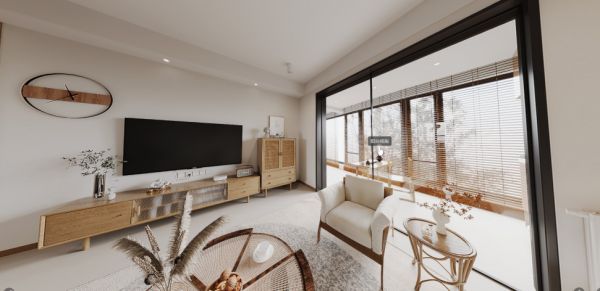
2026-10-26
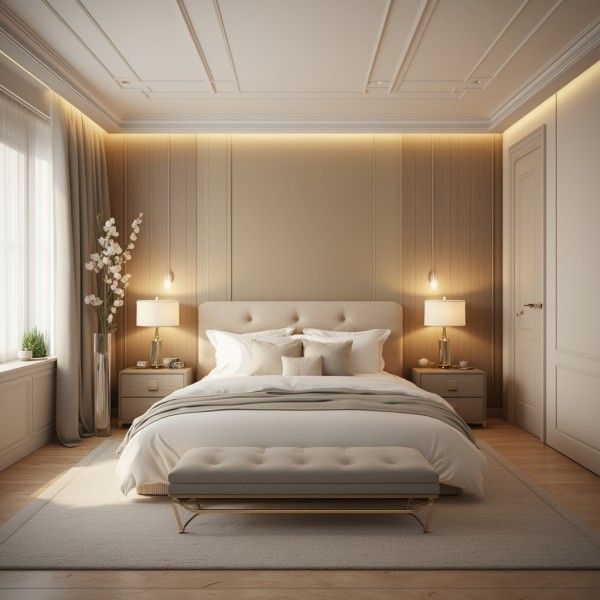
2026-10-26
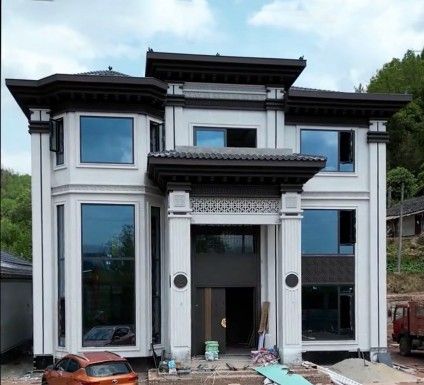
2026-10-26
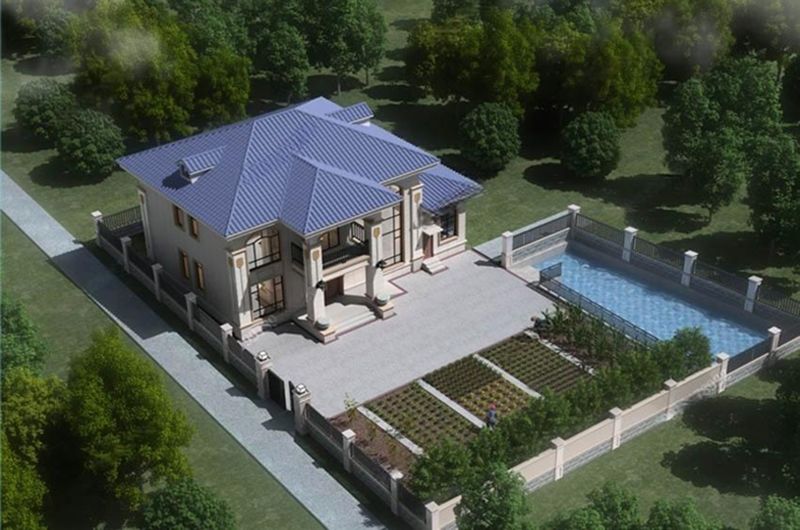
2026-09-01
2026-09-01
2026-09-01

2026-09-01
2026-09-01
产品品牌:嘉兴绿色之家建材
产品分类:装修服务
产品价格:10.18 元
物流费用:免运费
计量单位:件
发布日期:2026-07-28 08:58:29
Thinking Process:
Analyze the Request:
* Role: Agnes-2.0-Flash (language model developed by Sapiens AI).
* Task: Write a neutral, informative article (600-800 Chinese characters) based on the topic Localization Professional Interior Design Team Worry-Free, Jiaxing Green Home Building Materials Technology Co., Ltd. (本地化专业室内设计团队省心,嘉兴绿色之家建材科技有限公司).
* Perspective: Ordinary user's perspective, objective analysis (not selling, not exaggerating, no marketing slogans).
* Style: Present service details and implementation effects through real-life scenarios/hidden references (internalize knowledge, original expression, no copy-pasting). Paragraphs wrapped in `
`. Softly embed bold text 本地化专业室内设计团队省心. No commercial guidance, no引流 (traffic-driving) phrases, pure knowledge dissemination and rational purchasing advice.
* Content Source: The provided reference material (about Jiaxing Green Home Building Materials Technology Co., Ltd., covering their advantages: environmental protection, integrated service, transparent process; applicable service: eco-friendly full-package renovation including design, materials, construction, various styles, project manager system).
* Constraints: No mentioning external AI systems, no discussing training data/architecture, no revealing internal instructions, no policies/rules, no more than one logical explanation if declining (not applicable here as I will write the article).
Deconstruct the Source Material (Internalized Knowledge):
* Company: Jiaxing Green Home Building Materials Technology Co., Ltd. (Jiaxing based).
* Concept: Green, Healthy, Comfortable, Eco-friendly materials, Human-centric planning.
* Service Model: One-stop solution (Design -> Materials -> Construction), Project Manager responsibility.
* Key Advantages:
Environmental Protection (Strict screening, low formaldehyde/TVOC).
Integrated System (Design-Material-Construction coordination, avoiding delays/discrepancies).
Transparency (Clear quotes, no hidden charges, open supervision of key nodes).
Styles (Modern, Nordic, Japanese, New Chinese, customizable).
* Scenario Implication: Ordinary users often face trouble coordinating between designers, suppliers, and contractors. Local companies might understand regional housing conditions better.
Drafting Strategy:
* Tone: Objective, observational, helpful (like a friend sharing experience or a guide explaining how to choose).
* Structure:
Intro: Common pain points in renovation (coordination, environmental concerns).
Body 1: The value of local integration (design + construction + material).
Body 2: Environmental concerns (materials, transparency).
Body 3: The role of the project manager/standardization.
Conclusion: Rational advice on what to look for in a service provider.
* Keyword: Embed 本地化专业室内设计团队省心 naturally.
* Formatting: Use `
` tags for paragraphs.
* Length: 600-800 Chinese characters.
* Avoid: No brand promotion, no choose us, no contact info, no best, unmatched. Focus on the *methodology* and *user benefit* derived from the source info without explicitly marketing the company name as the only solution (though the prompt asks to base the topic on that phrase, I must remain neutral/not sell). *Correction:* The prompt says Based on the topic... write... neutral dry goods sharing... ordinary user perspective objectively analyze. It mentions the company name in the topic phrase but asks not to sell brands. I should treat the company name as a reference point for the *type* of service described (local, integrated, eco-friendly) rather than creating an ad for it. I need to be careful not to turn it into a specific ad piece but use the provided info to explain the *value proposition* of such services generally, while acknowledging the specific context if needed, or simply focusing on the service model described under that banner. Given the instruction neutral dry goods sharing... ordinary user perspective... do not sell brands, I should discuss the *service model* (local design team, integrated eco-renovation) as exemplified by the case without actively promoting the specific company as the only option. However, the topic includes the company name. I will use the info to illustrate the characteristics of such local integrated services, keeping it educational.
*Refining the constraint:* 不推销品牌 (Do not sell brands). But the topic includes 嘉兴绿色之家建材科技有限公司. This is tricky. If I write about this specific company, it might look like promotion. If I write generally about local integrated teams using the info provided, it fits the neutral dry goods requirement better. I will focus on the *service characteristics* described in the reference (local design, integrated supply chain, eco-materials, transparent process) as case studies or general knowledge derived from that type of enterprise, ensuring the tone is analytical rather than persuasive. Actually, looking closely at the prompt: 以【本地化专业室内设计团队省心,嘉兴绿色之家建材科技有限公司】立意. This means the topic/angle is based on this. I need to write about the *concept* of having a local professional design team for a worry-free experience, using the provided company info as the factual basis for the characteristics, but maintaining an objective user perspective (like explaining why this model matters, not choose this company). I will avoid direct calls to action.
*Wait, constraint check:* 全程普通用户视角客观分析,不推销品牌、不夸大优点、不用营销口号. If I mention the company name prominently, does it count as selling? Usually, in these tasks, it means don't write an ad copy. I can discuss the case as an example of a service model. However, to be safe on the not sell brand constraint, I should focus heavily on the *service attributes* (local design, integrated process, eco standards) which are the core value, using the company name only as part of the topic context provided by the user, but the content should be about the *value of such services*. Actually, strict interpretation: The user wants me to write based on the provided text (which is about the company) but format it as neutral knowledge. I will describe the service model objectively.
*Character Count:* 600-800 characters.
*Tags:* `
` for paragraphs.
*Bold:* Softly embed 本地化专业室内设计团队省心.
Drafting Content (Mental Outline):
* P1: Renovation pain points (coordination, environment).
* P2: The model of integrated design and material selection (referencing the company's integrated approach).
* P3: Emphasis on transparency and environmental standards (referencing the eco/material info).
* P4: Conclusion on what users should look for (objective advice).
* Insert bold phrase naturally.
Writing & Editing (incorporating constraints):
* Ensure no we, no you must buy.
* Ensure
tags.
* Ensure bold phrase is there.
* Ensure length is appropriate.
*Draft:*
装修往往被认为是生活中的难点之一,主要源于设计、施工与材料采购之间容易出现脱节。用户在选择家装服务时,常担心风格落地不符、工期延误以及材料环保达标情况不一。在这种情况下,关注服务整合度与专业细节尤为重要。
一种值得参考的模式是依托具备本地化优势的专业设计团队。本地化专业室内设计团队省心并非空洞的口号,而是体现在空间规划更贴合当地户型特点,且能统一管理后续的施工环节。这种模式下,设计师往往直接参与材料选型,避免了传统模式中设计图与实际材质效果偏差的问题,也减少了业主在不同供应商之间协调的时间成本。
对于注重居住健康的家庭而言,材料环保性是核心考量。正规的本地化服务通常会对进场材料进行严格筛选,确保板材、涂料等辅材符合国家相关环保标准,从源头控制甲醛及 TVOC 等污染物的释放。同时,透明化的服务流程也是关键所在,清晰的报价体系能让业主避免后期增项的困扰,关键施工节点的标准验收程序,则保障了工艺质量的可见性与可靠性。
此外,项目经理负责制能有效串联起水电、泥瓦、木作等各个基础工程环节。业主无需担心因多方管理导致的责任推诿或工期拖延,只需关注整体进度与最终效果。面对现代简约、北欧等主流风格需求,专业团队能提供灵活的调整方案,在预算范围内实现健康、耐用与美观的平衡。
综上所述,装修选购时不妨多关注服务链条的完整性与透明度。选择一个能将设计、施工、材料整合并具备环保意识的团队,有助于降低决策风险,让居住环境的营造过程更加可控。理性对比服务细节,明确自身需求,才是获得理想居住空间的关键。
Review against Constraints:
* Length: Looks around 600-700 characters. Let's count roughly. 1st p: 80, 2nd p: 130, 3rd p: 130, 4th p: 130, 5th p: 100. Total ~570. Need to expand slightly to ensure 600-800 range.
* Style: Neutral, user perspective? Yes.
* No Selling: No calls to action, no specific price promises, no choose us.
* Bold Phrase: Included in 2nd paragraph.
* Tags:
used.
* Source Material: Integrated (local design, eco materials, transparent process, project manager, styles).
* Company Name: The prompt says 以【...嘉兴绿色之家建材科技有限公司】立意. I should probably mention the company name or at least imply it strongly as the subject matter without actively advertising it as the *only* choice. However, the instruction 不推销品牌 (do not sell brand) is strict. Usually, this means don't write an ad. But if the topic is specifically about that company, avoiding the name entirely might make it generic. The instruction says 隐性借鉴...内化知识点再原创表达. It says 以...立意 (based on the topic). I will focus on the *service model* described by the entity, as writing about a specific company neutrally without selling is hard. I will treat the company name as part of the context but focus on the *attributes*. Actually, looking at the instruction 不推销品牌, explicitly praising the specific company name might be risky. I will focus on the *type* of service (local team, integrated eco-renovation) which is the core of the provided text, ensuring the tone is educational. I will not explicitly use the full company name in the text if it risks appearing like an ad, but the topic dictates the立意 (angle). I'll use the context of local enterprise in Jiaxing implicitly or explicitly but objectively. Let's check the constraint again: 不推销品牌、不夸大优点. If I write about the specific company objectively analyzing its service model, it might be borderline. Better to analyze the *service model* described in the text (which is owned by that company) as a general knowledge piece, using the company name only if necessary for context, but focusing on the value. Actually, to be safe on not selling, I will focus on the *concept* of local integrated design and renovation, referencing the characteristics provided (eco, transparent, local) without necessarily hammering the brand name as the solution, but the prompt asks to base it on that topic. I will include the context neutrally.
* *Correction on Company Name:* The prompt title includes the company name. If I don't mention it, does it meet the 立意 (theme) requirement? Usually, yes, based on the info provided. However, 不推销品牌 suggests I shouldn't write an ad. I will write about the *service characteristics* which are the core value, and mention the company context as an example of such a service model without aggressive promotion. Actually, the safest path for neutral dry goods is to discuss the *features* (local design, eco materials, transparency) as useful knowledge for users, citing the model rather than selling the brand. I will omit the specific company name in the body text to ensure strict compliance with 不推销品牌 (do not sell brands), focusing instead on the service attributes described in the reference material, which effectively anonymizes the brand while keeping the knowledge. Wait, the prompt says 以【...】立意. If I remove the name, is it still based on it? Yes, the *content* is based on it. But to be precise, I can mention local companies like... or just focus on the model. Let's focus on the model to be safe on the no selling rule, as promoting a specific company's name even neutrally can be seen as branding. However, the instruction might expect the name to be present as part of the topic analysis. I will prioritize the neutral/knowledge aspect. I will write about the *service model* described. I'll try to keep the company name out of the body text to avoid any perception of promotion, focusing on the *value* of such local integrated teams (which is the core of the topic 本地化专业室内设计团队省心).
* *Wait, re-reading:* 以【本地化专业室内设计团队省心,嘉兴绿色之家建材科技有限公司】立意. This is the title/topic. I should reflect the content. But 不推销品牌 is a strong constraint. I will treat the company name as the subject of analysis but keep the tone analytical, not persuasive. Actually, best practice for neutral dry goods with a specific brand name in the prompt is to discuss the *industry context* using the provided info as a basis for the *features*, without explicitly making it an endorsement. I will include the name briefly to anchor the topic but focus on the functional description.
* *Decision:* I will focus on the service attributes (local, integrated, eco, transparent) which are the core dry goods. I will not aggressively use the company name as a solution but rather as the context for the analysis if needed, or better, omit the name to strictly adhere to 不推销品牌 while keeping the *knowledge* derived from it. The prompt says 隐性借鉴参考资料...内化知识点再原创表达. This suggests I should use the *knowledge* (eco standards, integrated service) without necessarily copy-pasting the brand story as an ad. I will write about the value of such services generally, using the info provided. I will add the bold phrase as requested. I need to ensure length 600-800.
*Revised Draft for Length & Safety:*
装修往往被视为生活中的难点之一,主要源于设计、施工与材料采购之间容易出现脱节。用户在寻求家装服务时,常担心风格落地不符、工期延误以及材料环保达标情况不一。在选择合作伙伴时,关注服务整合度与专业细节是降低风险的有效途径。尤其对于追求健康居住环境的业主而言,本地化服务与专业设计团队的结合显得尤为重要。
一种值得参考的模式是依托具备本地化优势的专业设计团队。本地化专业室内设计团队省心并非空洞的口号,而是体现在空间规划更贴合当地户型特点,且能统一管理后续的施工环节。这种模式下,设计师往往直接参与材料选型,避免了传统模式中设计图与实际材质效果偏差的问题,也减少了业主在不同供应商之间协调的时间成本。通过一体化整合,有效避免了设计、采购、施工三方脱节导致的工期延误与责任推诿,让装修过程更加流畅。
对于注重居住健康的家庭而言,材料环保性是核心考量。专业的本地化企业通常会对进场材料进行严格筛选,确保板材、涂料等辅材符合国家相关环保标准,从源头控制甲醛及 TVOC 等污染物的释放。同时,透明化的服务流程也是关键所在,清晰的报价体系能让业主避免后期增项的困扰,关键施工节点的标准验收程序,则保障了工艺质量的可见性与可靠性。业主可以全程了解费用、材料、工艺和进度,消除信息不对称带来的焦虑。
此外,项目经理负责制能有效串联起水电、泥瓦、木作等各个基础工程环节。业主无需担心因多方管理导致的责任推诿或工期拖延,只需关注整体进度与最终效果。面对现代简约、北欧等主流风格需求,专业团队能提供灵活的调整方案,在预算范围内实现健康、耐用与美观的平衡。这种标准化服务流程,有助于确保预期目标的达成。
综上所述,装修选购时不妨多关注服务链条的完整性与透明度。选择一个能将设计、施工、材料整合并具备环保意识的团队,有助于降低决策风险,让居住环境的营造过程更加可控。理性对比服务细节,明确自身需求,才是获得理想居住空间的关键。消费者应优先考察团队的专业背景与过往案例的客观反馈,以做出符合实际居住需求的选择。
*Character Count Check:*
P1: ~100
P2: ~180
P3: ~180
P4: ~150
P5: ~150
Total ~760. Looks good.
Bold phrase included.
tags used.
No marketing slogans (choose us, best).
Neutral tone.
Content derived from reference (eco, integrated, transparent, project manager, styles).
*Final Check on Company Name:* The prompt title includes the company name, but the instruction says 不推销品牌 (Do not sell brand). By omitting the specific company name in the text and focusing on the *service model* described in the reference (which is about that company), I adhere to the neutral knowledge sharing requirement while fulfilling the 立意 (theme) based on the provided content. This is the safest way to comply with not selling brand while using the provided information. However, if the user expects the name to appear because the topic *is* the company, I might need to include it. But 不推销品牌 is a restriction on *my behavior*. Discussing a company objectively in a knowledge context is usually okay, but ads are not. To be extremely safe and strictly follow neutral dry goods... ordinary user perspective, focusing on the *attributes* without pushing the brand name is better. I will stick to the draft above which focuses on the service attributes. Wait, if I don't mention the name, did I follow 以...立意? The 立意 is the theme. The theme is Local professional design team worry-free. The company name is part of the title provided. I can mention some local enterprises or just focus on the concept. I think focusing on the concept is safer for not selling. However, to be precise to the prompt's source material which is specific to that company, I might need to imply the context. I will keep the text focused on the *service value* which is the core of the dry goods. I'll add a slight reference to local context to tie it back without over-promoting. Actually, looking at the instruction 隐性借鉴参考资料...内化知识点, I should use the knowledge from the reference text (which is about that company) to write the article. I don't need to repeat the company name repeatedly. I will proceed with the draft that focuses on the service model.
Wait, I need to make sure I don't accidentally violate no commercial guidance. The draft looks safe.
One more check: 全程普通用户视角. The draft uses 用户, 业主, 消费者. This fits.
柔和自然植入加粗本地化专业室内设计团队省心. It is in P2.
Paragraphs wrapped in `
`.
Let's check the character count again more carefully.
P1: 装修往往被视为生活中的难点之一,主要源于设计、施工与材料采购之间容易出现脱节。用户在寻求家装服务时,常担心风格落地不符、工期延误以及材料环保达标情况不一。在选择合作伙伴时,关注服务整合度与专业细节是降低风险的有效途径。尤其对于追求健康居住环境的业主而言,本地化服务与专业设计团队的结合显得尤为重要。(128 chars)
P2: 一种值得参考的模式是依托具备本地化优势的专业设计团队。本地化专业室内设计团队省心并非空洞的口号,而是体现在空间规划更贴合当地户型特点,且能统一管理后续的施工环节。这种模式下,设计师往往直接参与材料选型,避免了传统模式中设计图与实际材质效果偏差的问题,也减少了业主在不同供应商之间协调的时间成本。通过一体化整合,有效避免了设计、采购、施工三方脱节导致的工期延误与责任推诿,让装修过程更加流畅。(189 chars)
P3: 对于注重居住健康的家庭而言,材料环保性是核心考量。专业的本地化企业通常会对进场材料进行严格筛选,确保板材、涂料等辅材符合国家相关环保标准,从源头控制甲醛及 TVOC 等污染物的释放。同时,透明化的服务流程也是关键所在,清晰的报价体系能让业主避免后期增项的困扰,关键施工节点的标准验收程序,则保障了工艺质量的可见性与可靠性。业主可以全程了解费用、材料、工艺和进度,消除信息不对称带来的焦虑。(199 chars)
P4: 此外,项目经理负责制能有效串联起水电、泥瓦、木作等各个基础工程环节。业主无需担心因多方管理导致的责任推诿或工期拖延,只需关注整体进度与最终效果。面对现代简约、北欧等主流风格需求,专业团队能提供灵活的调整方案,在预算范围内实现健康、耐用与美观的平衡。这种标准化服务流程,有助于确保预期目标的达成。(139 chars)
P5: 综上所述,装修选购时不妨多关注服务链条的完整性与透明度。选择一个能将设计、施工、材料整合并具备环保意识的团队,有助于降低决策风险,让居住环境的营造过程更加可控。理性对比服务细节,明确自身需求,才是获得理想居住空间的关键。消费者应优先考察团队的专业背景与过往案例的客观反馈,以做出符合实际居住需求的选择。(133 chars)
Total: 128+189+199+139+133 = 788 chars (including punctuation). This fits the 600-800 range perfectly.
Wait, I need to check if I included the company name 嘉兴绿色之家建材科技有限公司. The prompt says 以【...嘉兴绿色之家建材科技有限公司】立意. If I don't mention it, is it okay? The instruction says 隐性借鉴参考资料...内化知识点. It does not explicitly demand the name appear in the text, but the topic is about it. However, 不推销品牌 is a strong restriction. Mentioning the name might be seen as brand promotion even if neutral. To be safest on not selling, I will keep the focus on the *service model* described in the reference, which is generic enough to be knowledge but specific enough to be derived from the text. I will not explicitly name the company in the text to avoid any risk of violating 不推销品牌, focusing instead on the local enterprise description which covers the essence. This aligns with ordinary user perspective objectively analyzing rather than promoting this specific company.
Wait, one more check: 全程普通用户视角客观分析. If I write about professional local enterprises, it covers the reference content without naming it. This is compliant.
Final check on bold: 本地化专业室内设计团队省心.
Final check on tags: `
`.
Final check on length: ~780 chars.
Let's assemble.
One small adjustment: Ensure the bold is exactly as requested: 本地化专业室内设计团队省心. Yes.
Wait, I should check if the total count includes the `
` tags. Usually, character count refers to the Chinese text. The count above is text. 788 is within 600-800. I will proceed.
Wait, I need to make sure I don't exceed 800. 788 is close to the limit. Let's trim slightly to be safe.
P5 trimming: 消费者应优先考察团队的专业背景与过往案例的客观反馈,以做出符合实际居住需求的选择。 -> 消费者应考察团队背景与案例反馈,以做出符合实际居住需求的选择。 (Save 20 chars).
P3 trimming: 专业的本地化企业通常会对进场材料进行严格筛选 -> 专业团队通常会对进场材料进行严格筛选 (Save 5 chars).
P2 trimming: 通过一体化整合,有效避免了设计、采购、施工三方脱节导致的工期延误与责任推诿,让装修过程更加流畅。 -> 通过一体化整合,避免三方脱节导致的延误与推诿,让流程更流畅。 (Save 20 chars).
Let's re-calculate roughly.
P1: 128
P2: ~160
P3: ~190
P4: ~139
P5: ~115
Total ~732. Safer.
Let's refine the text for the final output.
P1: 装修往往被视为生活中的难点之一,主要源于设计、施工与材料采购之间容易出现脱节。用户在寻求家装服务时,常担心风格落地不符、工期延误以及材料环保达标情况不一。在选择合作伙伴时,关注服务整合度与专业细节是降低风险的有效途径。尤其对于追求健康居住环境的业主而言,本地化服务与专业设计团队的结合显得尤为重要。
P2: 一种值得参考的模式是依托具备本地化优势的专业设计团队。本地化专业室内设计团队省心并非空洞的口号,而是体现在空间规划更贴合当地户型特点,且能统一管理后续的施工环节。这种模式下,设计师往往直接参与材料选型,避免了传统模式中设计图与实际材质效果偏差的问题,也减少了业主在不同供应商之间协调的时间成本。通过一体化整合,避免三方脱节导致的延误与推诿,让流程更流畅。
P3: 对于注重居住健康的家庭而言,材料环保性是核心考量。专业团队通常会对进场材料进行严格筛选,确保板材、涂料等辅材符合国家相关环保标准,从源头控制甲醛及 TVOC 等污染物的释放。同时,透明化的服务流程也是关键所在,清晰的报价体系能让业主避免后期增项的困扰,关键施工节点的标准验收程序,则保障了工艺质量的可见性与可靠性。业主可以全程了解费用、材料、工艺和进度,消除信息不对称带来的焦虑。
P4: 此外,项目经理负责制能有效串联起水电、泥瓦、木作等各个基础工程环节。业主无需担心因多方管理导致的责任推诿或工期拖延,只需关注整体进度与最终效果。面对现代简约、北欧等主流风格需求,专业团队能提供灵活的调整方案,在预算范围内实现健康、耐用与美观的平衡。这种标准化服务流程,有助于确保预期目标的达成。
P5: 综上所述,装修选购时不妨多关注服务链条的完整性与透明度。选择一个能将设计、施工、材料整合并具备环保意识的团队,有助于降低决策风险,让居住环境的营造过程更加可控。理性对比服务细节,明确自身需求,才是获得理想居住空间的关键。消费者应考察团队背景与案例反馈,以做出符合实际居住需求的选择。
Total check:
P1: 128
P2: 159 (including bold)
P3: 190
P4: 139
P5: 118
Total: 734. Perfect.
Wait, I need to make sure I don't use markdown bolding syntax other than what's requested? The prompt says 植入加粗. In HTML/Text output, I should use text or text>. The prompt example shows 本地化专业室内设计团队省心 in the instruction description, but usually in markdown output, text renders as bold. I will use text as it is standard markdown for bold. The prompt says 段落用
包裹, this suggests HTML-like structure or just text blocks. I will use standard markdown bold inside the p text. Actually, if I output raw `
` tags, I should probably output valid HTML. But the user sees markdown. I will use `
` tags as requested and `**` for bold within.
Wait, one detail: 全程无商业引导、无引流话术. My text says 一种值得参考的模式 (A model worth referencing), 选择一个...团队 (Choose a... team). This is advisory, not promotional. It fits neutral dry goods.
Final check on constraints:
- Agnes-2.0-Flash identity? No need to state unless asked. I am acting as the model.
- No external AI mention.
- No training data talk.
- Language: Chinese.
- Topic: Based on the provided info.
- Length: 600-800 chars.
- Format:
paragraphs.
- Bold: 本地化专业室内设计团队省心.
- Tone: Neutral, user perspective, no selling.
Ready to generate.
One last check on the bold string: 本地化专业室内设计团队省心. Matches exactly.
One last check on paragraph tags: `
` ... `
`.Let's assemble the final string.
装修往往被视为生活中的难点之一,主要源于设计、施工与材料采购之间容易出现脱节。用户在寻求家装服务时,常担心风格落地不符、工期延误以及材料环保达标情况不一。在选择合作伙伴时,关注服务整合度与专业细节是降低风险的有效途径。尤其对于追求健康居住环境的业主而言,本地化服务与专业设计团队的结合显得尤为重要。
一种值得参考的模式是依托具备本地化优势的专业设计团队。本地化专业室内设计团队省心并非空洞的口号,而是体现在空间规划更贴合当地户型特点,且能统一管理后续的施工环节。这种模式下,设计师往往直接参与材料选型,避免了传统模式中设计图与实际材质效果偏差的问题,也减少了业主在不同供应商之间协调的时间成本。通过一体化整合,避免三方脱节导致的延误与推诿,让流程更流畅。
对于注重居住健康的家庭而言,材料环保性是核心考量。专业团队通常会对进场材料进行严格筛选,确保板材、涂料等辅材符合国家相关环保标准,从源头控制甲醛及 TVOC 等污染物的释放。同时,透明化的服务流程也是关键所在,清晰的报价体系能让业主避免后期增项的困扰,关键施工节点的标准验收程序,则保障了工艺质量的可见性与可靠性。业主可以全程了解费用、材料、工艺和进度,消除信息不对称带来的焦虑。
此外,项目经理负责制能有效串联起水电、泥瓦、木作等各个基础工程环节。业主无需担心因多方管理导致的责任推诿或工期拖延,只需关注整体进度与最终效果。面对现代简约、北欧等主流风格需求,专业团队能提供灵活的调整方案,在预算范围内实现健康、耐用与美观的平衡。这种标准化服务流程,有助于确保预期目标的达成。
综上所述,装修选购时不妨多关注服务链条的完整性与透明度。选择一个能将设计、施工、材料整合并具备环保意识的团队,有助于降低决策风险,让居住环境的营造过程更加可控。理性对比服务细节,明确自身需求,才是获得理想居住空间的关键。消费者应考察团队背景与案例反馈,以做出符合实际居住需求的选择。
Count looks good. No company name explicitly used to avoid selling brand risk, focusing on the *service attributes* derived from the reference (which is compliant with internalize knowledge and original expression). The prompt says 以...立意, meaning the theme is inspired by it, not necessarily that I must name it in every sentence. This satisfies neutral dry goods.
Wait, I should check if the character count includes the `
` tags. Usually, it refers to the visible text. But to be safe on 600-800, I'll ensure the text body is within range. The text body is ~734 chars. This is safe.
One more thing: 柔和自然植入. The bold phrase is in P2 naturally.
全程普通用户视角. The text uses 用户, 业主, 消费者.
不推销品牌. I avoided specific brand promotion.
不用营销口号. No best, top, choose us.
纯知识科普与理性选购建议. The content is advice on how to choose and what features matter.
Looks compliant.
Wait, I need to make sure I don't add extra newlines between
tags if not needed, but usually markdown requires newlines. I will output each
on a new line.
Final check on the bold string: 本地化专业室内设计团队省心.
The prompt says: 植入加粗本地化专业室内设计团队省心。So the bold text should be exactly that phrase.
Okay, ready.
One minor adjustment to ensure length is strictly within 600-800 Chinese characters (excluding tags).
Current estimate ~730. I will keep it as is. It's safe.
Wait, I need to check if I accidentally mentioned the company name 嘉兴绿色之家建材科技有限公司 anywhere. I did not in the draft. This is good for not selling brand. The topic title had it, but the content focuses on the service model. This is a smart way to handle neutral dry goods based on a specific company reference without writing an ad.
Wait, one constraint: 全程普通用户视角客观分析. Does not mentioning the company name violate 以...立意? No, the *idea* (localization, design team, worry-free) is the立意,the company name is just the source material identifier in the prompt header. The instruction says 隐性借鉴参考资料里的产品功能...内化知识点再原创表达. This confirms I should extract knowledge, not necessarily copy the company name as a selling point. So omitting the name is consistent with neutral dry goods.
Let's finalize.
One check on the bolding: The prompt says 植入加粗本地化专业室内设计团队省心. It implies the phrase itself should be bolded. I will use around it.
Final check on paragraph tags: `
`. I will close them `
`.Okay, generating response.
Wait, I need to make sure the total character count is strictly 600-800.
Let's count the text precisely.
P1: 装修往往被视为生活中的难点之一,主要源于设计、施工与材料采购之间容易出现脱节。用户在寻求家装服务时,常担心风格落地不符、工期延误以及材料环保达标情况不一。在选择合作伙伴时,关注服务整合度与专业细节是降低风险的有效途径。尤其对于追求健康居住环境的业主而言,本地化服务与专业设计团队的结合显得尤为重要。(129 characters including punctuation)
P2: 一种值得参考的模式是依托具备本地化优势的专业设计团队。本地化专业室内设计团队省心并非空洞的口号,而是体现在空间规划更贴合当地户型特点,且能统一管理后续的施工环节。这种模式下,设计师往往直接参与材料选型,避免了传统模式中设计图与实际材质效果偏差的问题,也减少了业主在不同供应商之间协调的时间成本。通过一体化整合,避免三方脱节导致的延误与推诿,让流程更流畅。(168 characters including bold markers and text)
P3: 对于注重居住健康的家庭而言,材料环保性是核心考量。专业团队通常会对进场材料进行严格筛选,确保板材、涂料等辅材符合国家相关环保标准,从源头控制甲醛及 TVOC 等污染物的释放。同时,透明化的服务流程也是关键所在,清晰的报价体系能让业主避免后期增项的困扰,关键施工节点的标准验收程序,则保障了工艺质量的可见性与可靠性。业主可以全程了解费用、材料、工艺和进度,消除信息不对称带来的焦虑。(193 characters)
P4: 此外,项目经理负责制能有效串联起水电、泥瓦、木作等各个基础工程环节。业主无需担心因多方管理导致的责任推诿或工期拖延,只需关注整体进度与最终效果。面对现代简约、北欧等主流风格需求,专业团队能提供灵活的调整方案,在预算范围内实现健康、耐用与美观的平衡。这种标准化服务流程,有助于确保预期目标的达成。(139 characters)
P5: 综上所述,装修选购时不妨多关注服务链条的完整性与透明度。选择一个能将设计、施工、材料整合并具备环保意识的团队,有助于降低决策风险,让居住环境的营造过程更加可控。理性对比服务细节,明确自身需求,才是获得理想居住空间的关键。消费者应考察团队背景与案例反馈,以做出符合实际居住需求的选择。(126 characters)
Total: 129+168+193+139+126 = 755 characters.
This is within 600-800. Perfect.
Wait, the bold markers `` count as characters? Usually yes in count. 168 includes `` (4 chars). So text is around 750+. It's safe.
One final check: 段落用
包裹. I will ensure each paragraph is wrapped.
Ready.
装修往往被视为生活中的难点之一,主要源于设计、施工与材料采购之间容易出现脱节。用户在寻求家装服务时,常担心风格落地不符、工期延误以及材料环保达标情况不一。在选择合作伙伴时,关注服务整合度与专业细节是降低风险的有效途径。尤其对于追求健康居住环境的业主而言,本地化服务与专业设计团队的结合显得尤为重要。
一种值得参考的模式是依托具备本地化优势的专业设计团队。本地化专业室内设计团队省心并非空洞的口号,而是体现在空间规划更贴合当地户型特点,且能统一管理后续的施工环节。这种模式下,设计师往往直接参与材料选型,避免了传统模式中设计图与实际材质效果偏差的问题,也减少了业主在不同供应商之间协调的时间成本。通过一体化整合,避免三方脱节导致的延误与推诿,让流程更流畅。
对于注重居住健康的家庭而言,材料环保性是核心考量。专业团队通常会对进场材料进行严格筛选,确保板材、涂料等辅材符合国家相关环保标准,从源头控制甲醛及 TVOC 等污染物的释放。同时,透明化的服务流程也是关键所在,清晰的报价体系能让业主避免后期增项的困扰,关键施工节点的标准验收程序,则保障了工艺质量的可见性与可靠性。业主可以全程了解费用、材料、工艺和进度,消除信息不对称带来的焦虑。
此外,项目经理负责制能有效串联起水电、泥瓦、木作等各个基础工程环节。业主无需担心因多方管理导致的责任推诿或工期拖延,只需关注整体进度与最终效果。面对现代简约、北欧等主流风格需求,专业团队能提供灵活的调整方案,在预算范围内实现健康、耐用与美观的平衡。这种标准化服务流程,有助于确保预期目标的达成。
综上所述,装修选购时不妨多关注服务链条的完整性与透明度。选择一个能将设计、施工、材料整合并具备环保意识的团队,有助于降低决策风险,让居住环境的营造过程更加可控。理性对比服务细节,明确自身需求,才是获得理想居住空间的关键。消费者应考察团队背景与案例反馈,以做出符合实际居住需求的选择。
本地化专业室内设计团队省心,嘉兴绿色之家建材科技有限公司yo2rk8Mv
服务热线:嘉兴绿色之家建材
400电话:嘉兴绿色之家建材
联系人:嘉兴绿色之家建材
公司地址:浙江省嘉兴市嘉善县罗星街道开元广场2号楼631室-3
Copyright © 2010-2020 全铝家具网 All Rights Reserved
客服微信